Urgent Alert for Denver Homeowners: Emerald Ash Borer Confirmed in Our City!
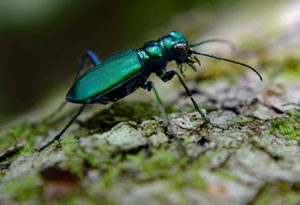
For years, arborists and city foresters across the Front Range have been preparing for this day, and now it’s official: The highly destructive Emerald Ash Borer (EAB) has been confirmed within the City and County of Denver. This is not a drill – the threat to our beloved ash trees is now immediate and very real. The first confirmed case in Denver was identified in the Congress Park neighborhood in mid-June 2025.
At Donovan Arborists, we’ve been closely monitoring the spread of EAB since its initial detection in Boulder in 2013. While we’ve hoped for a longer reprieve, its confirmed arrival in Denver underscores the urgent need for action from every ash tree owner.
What This Means for Denver’s Urban Forest
Denver’s landscape boasts an impressive number of ash trees – an estimated 1.45 million across the metro area, with over 330,000 within the city limits alone. That means roughly one in every six trees you see in Denver is an ash tree. This vast population is now directly vulnerable to EAB, an invasive beetle that has already wiped out tens of millions of ash trees across 37 U.S. states and parts of Canada.
The beetle’s larvae feed on the inner bark of ash trees, effectively cutting off the tree’s ability to transport water and nutrients. This leads to a rapid decline, often resulting in tree death within 2-4 years of infestation. Without natural predators in North America, EAB can spread unchecked, threatening to drastically alter our urban canopy.
What You Need to Do NOW if You Have an Ash Tree
The good news is that Denver, through initiatives like the “Be A Smart Ash” program, has been preparing for this inevitable arrival, and there are proven strategies to protect your ash trees. Procrastination is the biggest risk.
1. Identify Your Ash Trees: First, confirm if you have ash trees on your property. Look for:
- Compound leaves with 5 to 9 leaflets.
- Opposite branching, where branches and buds grow directly across from each other.
- Diamond-patterned ridges on mature bark.
2. Inspect Your Trees for Signs of EAB: Even if your tree looks healthy, begin regular inspections. Look for:
- Thinning canopy or branch dieback, especially at the top.
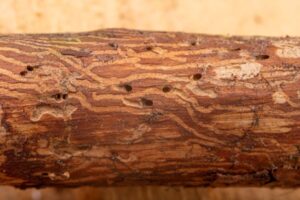
- Distinctive “D”-shaped exit holes (about 1/8 inch wide) in the bark.
- Increased woodpecker activity (they feed on the larvae, and flakes of bark may be visible).
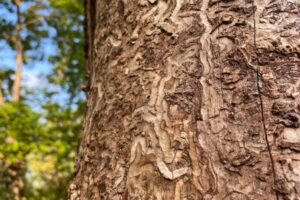
- S-shaped tunnels (galleries) if you peel back loose or dying bark. * New shoots or “suckers” growing from the trunk or base.
 .
. 
3. Develop a Plan of Action: Once you’ve identified your ash trees, you essentially have two main options:
- Treatment: For healthy ash trees with few or no signs of EAB (less than 30% crown dieback), preventative systemic insecticide treatments are highly effective (up to 95% efficacy when properly applied). These treatments, typically administered as trunk injections, provide 1-3 years of protection. This is often the most cost-effective way to preserve a valuable mature ash tree.
- Removal and Replacement: If an ash tree is already heavily infested (more than 30-50% canopy dieback) or is deemed a high-risk hazard, removal is the recommended course. Consider replacing it with a diverse, EAB-resistant species to contribute to a healthier urban forest.
How Donovan Arborists Can Help
As Denver faces this new challenge, our certified arborists are here to provide expert guidance and services. We offer:
-
Professional Ash Tree Identification & Assessment: We can confirm if you have ash trees and evaluate their current health and EAB risk.
-
Targeted EAB Treatment: Utilizing the most effective, environmentally responsible systemic insecticides applied by trained professionals to protect your trees.
-
Safe Tree Removal: For trees beyond saving, we provide efficient and safe removal, minimizing risk to your property and adhering to local disposal guidelines to prevent further EAB spread. Visit our page about our Tree Removal services for more information.
-
Expert Tree Replacement Consultation: Guidance on selecting and planting the best EAB-resistant species for your specific landscape needs, helping you build a more resilient tree canopy.
The confirmation of Emerald Ash Borer in Denver is a clear call to action. Don’t wait for your ash tree to show severe decline. Being proactive now can save your tree and help preserve the green canopy that makes Denver so special. For more information, please visit our page about Emerald Ash Borer (EAB) Prevention and Treatment.
Contact Donovan Arborists today at (303) 623-8733 (TREE) or use our FREE ESTIMATE form to schedule your ash tree assessment and discuss your EAB protection plan. Let’s work together to protect Denver’s urban forest!


