Denver Tree Disease Treatment: Protecting Your Canopy from 2026’s “Big Three”
In 2026, Denver’s trees are under high stress. Milder winters mean more pests survive until spring. Combined with our dry air, this creates a “perfect storm” for tree loss.
At Donovan Arborists, we use Integrated Pest Management (IPM). We don’t just spray chemicals; we build tree health from the roots up. Here are the three biggest threats to watch for right now.
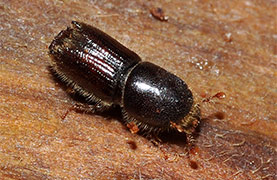
1. The Ips Beetle: The Evergreen Killer
The Ips Beetle (or “engraver beetle”) is currently attacking Denver’s Spruce and Pine trees.
-
The Threat: These beetles target thirsty, stressed trees. They tunnel under the bark and lay eggs, cutting off the tree’s food supply. Often, the top of the tree turns brown first.
-
The Fix: Water is the best defense. We help you set up deep-root watering to keep sap levels high. For high-risk trees, we apply a protective bark spray in early spring.

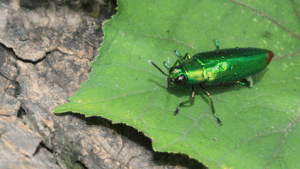
2. Emerald Ash Borer (EAB): The Final Window
2026 is a “now or never” year for Denver’s Ash trees. Many untreated trees are now showing severe branch dieback.
-
The Threat: EAB kills 100% of the Ash trees it attacks. Since one in six Denver trees is an Ash, the risk to our shade and property value is massive.
-
The Fix: We use trunk injections. This places medicine directly into the tree’s “veins.” It is safe for bees and protects your tree for up to two full years.
3. Fire Blight: The Spring Burn
Erratic spring weather has caused a spike in Fire Blight. This bacteria hits crabapples, pears, and hawthorns the hardest.
-
The Threat: It spreads through wind and rain. Infected branches look scorched by fire. The leaves turn black and shrivel but stay attached to the tree.
- The Fix: We use sterile pruning. We disinfect our tools between every single cut to stop the spread. We also apply organic treatments that boost the tree’s natural immune system.
Spot the Signs Early
Catching a problem early saves you money and saves your tree. Look for these “red flags”:
-
Pitch Tubes: Small globs of sap on pine trunks.
-
D-Shaped Holes: Tiny exit holes in Ash bark.
-
Shepherd’s Crooks: Wilting, black branch tips that curl at the end.
Is your landscape safe? Our certified arborists are performing tree health audits now. Call us today at (720) 689-7782, or use our FREE ESTIMATE form, to protect your property. We look forward to hearing from you!


