
Fall Tree Care: 7 Ways to Prepare Your Trees for Winter in Denver, CO
Why Fall Tree Care in Denver Is Important
As temperatures drop, fall is the perfect time to prepare your trees for winter. Homeowners in Denver, Colorado, face unique tree care challenges, including dry weather, freezing temperatures, strong winds, and heavy snow.
Proper tree care in Denver can help you identify potential hazards, protect tree roots, and maintain healthier trees throughout the colder months.
Whether you have mature shade trees, ornamental trees, or newly planted saplings, taking action in the fall can help prevent avoidable problems.
Here are seven essential fall tree care tips to prepare your trees for winter.
1. Schedule a Professional Tree Inspection
A professional tree inspection is one of the best ways to prepare your property for winter. Snow, ice, and strong winds can put extra stress on damaged branches and structurally weak trees.
Look for these common warning signs:
- Dead, broken, or hanging branches.
- Cracks in the trunk or major limbs.
- Signs of decay or fungal growth.
- Branches growing too close to your roof.
- Trees with unusual leaning or disturbed soil around the roots.
An experienced arborist can evaluate your trees and recommend the right maintenance.
Scheduling an inspection before winter storms arrive can help you address potential safety concerns early.

2. Know When to Prune Trees in Denver
Tree pruning is an important part of seasonal tree maintenance. However, the best time to prune depends on the tree species, its health, and the reason for pruning.
Fall is a good time to identify dead, damaged, and hazardous branches. Some trees benefit from pruning during dormancy, while others require different timing to reduce disease risks.
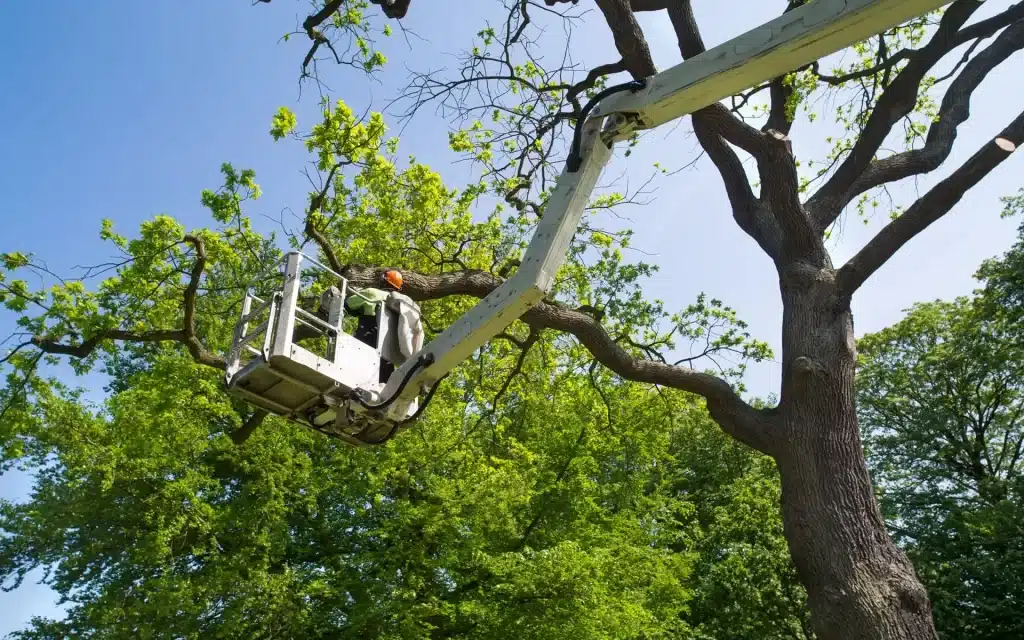
Professional tree pruning in Denver can improve tree structure, remove damaged limbs, and reduce certain safety hazards.
Avoid excessive pruning simply to prepare for winter. Removing too much live growth can stress a tree and affect its long-term health.
An arborist can determine which branches need attention and when pruning should take place.
3. Water Your Trees Before Winter
Colorado’s dry climate means trees may need supplemental water even when temperatures begin to fall.
Dry soil can stress trees as they enter winter, especially newly planted trees and evergreens.
Follow these winter watering tips:
- Water deeply during extended dry periods when conditions allow.
- Focus on the root zone beneath the tree’s canopy and dripline.
- Water on mild days when temperatures are above 40°F and the ground is not frozen or snow-covered.
- Adjust watering based on recent precipitation and soil moisture.
Avoid watering frozen or saturated ground. Disconnect and drain garden hoses after use to prevent freeze damage.
Consistent moisture management is an important part of tree care in Denver, particularly during dry autumn and winter weather.
4. Protect Tree Roots With Mulch
Mulching helps conserve soil moisture, moderate soil temperatures, and reduce competition from grass.
Apply approximately 2 to 4 inches of organic mulch, such as wood chips, around the tree’s root zone where practical.
Keep the mulch several inches away from the trunk. Piling mulch against the bark can trap moisture and contribute to trunk problems.
A properly maintained mulch ring can also protect roots from lawn equipment and help improve growing conditions.
For best results, spread mulch in a broad, even layer rather than creating a mound around the trunk.
5. Prevent Winter Tree Damage
Snow, ice, and strong winds can damage trees, particularly when branches are already weak or compromised.
Before winter arrives, inspect trees near your home, driveway, garage, and walkways.
Pay particular attention to:
- Large branches extending over roofs.
- Deadwood in mature trees.
- Cracked or poorly attached limbs.
- Branches near power lines.
- Trees showing signs of structural instability.
Professional tree trimming can address certain hazards before severe weather arrives.
Never attempt to remove large branches near power lines or above occupied areas yourself. These jobs can require specialized equipment and training.

6. Give Young Trees Extra Care
Newly planted trees need extra attention because their root systems may not be fully established.
Denver’s dry air, fluctuating temperatures, and winter sunshine can contribute to moisture stress and bark injury in susceptible species.
Help protect young trees by following these steps:
- Maintain appropriate soil moisture during dry periods.
- Apply mulch around the root zone without touching the trunk.
- Prevent lawn equipment from damaging the bark.
- Ask an arborist whether trunk protection is appropriate for your tree species and location.
Young trees often need supplemental care for several years after planting. Their needs depend on their size, species, and growing conditions.

7. Know When to Consider Tree Removal
Sometimes, tree pruning and routine maintenance cannot adequately address a tree’s condition.
Extensive decay, severe structural damage, major root problems, or an unacceptable risk to people and property may indicate that tree removal is necessary.
However, a damaged branch or leaning tree does not automatically mean the entire tree must be removed.
A qualified arborist can assess the tree, explain potential risks, and recommend whether pruning, monitoring, or removal is appropriate.
Addressing serious concerns before winter can give you more time to arrange safe, professional service.

When Should You Schedule Tree Care?
Fall is an excellent time to assess your trees and plan seasonal maintenance. The ideal timing for pruning, inspections, and other services depends on the tree species and its condition.
Consider scheduling an arborist visit if you notice dead branches, cracks, signs of decay, or trees growing close to structures.
A professional tree care assessment can help you prioritize maintenance and prepare your landscape for winter.
Frequently Asked Questions About Tree Care in Denver
Is fall a good time to trim trees?
Fall is a good time to assess trees and identify dead or hazardous branches. The best pruning season depends on the species, local disease risks, and the purpose of the work.
Should I water trees in Denver during winter?
Yes, during extended dry periods when temperatures are above 40°F and the ground is not frozen or snow-covered. Adjust watering based on soil moisture and recent precipitation.
How can I prevent snow damage to trees?
Have an arborist inspect weak branches, structural defects, and deadwood before winter. Appropriate pruning can reduce some hazards, although no maintenance can eliminate all storm damage.
How often should trees be inspected?
Inspection frequency depends on the tree’s age, condition, location, and exposure to potential hazards. Mature trees near homes or frequently used areas may benefit from periodic professional assessments.
Schedule Your Fall Tree Care in Denver
Healthy trees add beauty, shade, and value to your property. Preparing them for winter can help you identify problems early and support their long-term health.
Our team at Donovan Arborists helps homeowners maintain healthier, safer trees with professional tree inspections, pruning recommendations, and tree care services.
Whether you need help with dead branches, winter preparation, or a tree health concern, we can help you determine the next steps.
Contact us today at (720) 689-7782 or use our FREE ESTIMATE form to schedule tree care in Denver and prepare your trees for the winter season!


